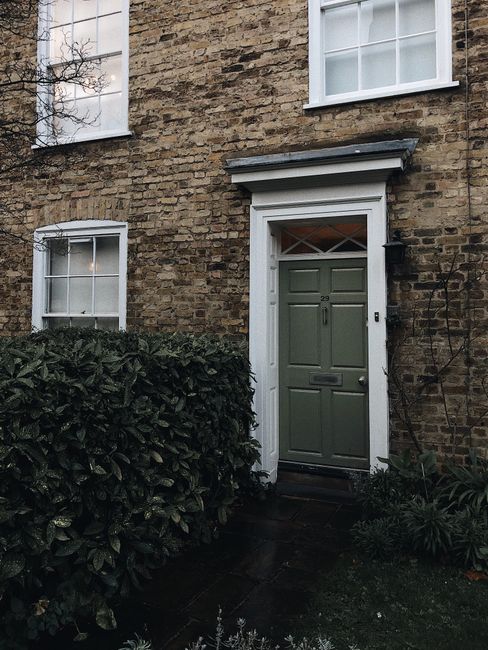
Drayton Park gardeners for Victorian terrace front gardens
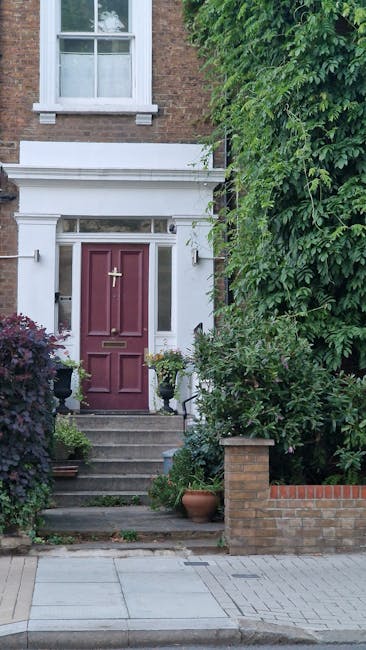
Victorian terrace front gardens can look effortlessly elegant, but only when the details are handled properly. Tight paving lines, mature brick facades, narrow plots, shaded corners, and that slightly awkward balance between privacy and kerb appeal all need a careful hand. That is where Drayton Park gardeners for Victorian terrace front gardens really earn their keep. Done well, the front garden becomes more than a strip of soil and paving; it becomes a welcoming frame for the house, and frankly, a lot easier to live with day to day.
If you have ever stood at the gate on a damp London morning and thought, "this could look so much better, but where do I even begin?", you are in the right place. This guide breaks down how experienced gardeners approach these front spaces, what makes Victorian terraces different, and how to get results that feel neat, sympathetic, and properly local rather than generic. We will cover design choices, maintenance, common mistakes, practical steps, and a realistic view of what good work looks like.
In our experience, the best front gardens in Drayton Park do not shout. They settle in quietly. They look tidy in winter, full enough in spring, and forgiving when life gets busy. Let's get into the useful bit.
Why Drayton Park gardeners for Victorian terrace front gardens Matters
Victorian terrace front gardens are small, but they are not simple. That is the first thing to understand. They usually need to do several jobs at once: look attractive from the street, manage drainage, stay neat near a path or steps, and suit a house that may have original features worth respecting. A garden that is too busy can make the frontage feel cramped. One that is too plain can make the whole property feel flat. The sweet spot is somewhere in the middle.
Drayton Park has its own rhythm too. Local streets often combine older terrace stock with everyday London pressures: limited space, patchy light, bins, bikes, delivery access, and the general reality that a front garden is often a working space, not a display room. That matters because the best gardening decisions here are practical ones. A planting plan that looks lovely on paper can become a nuisance if it blocks the path, drops debris across steps, or becomes a job you dread every weekend.
There is also a subtle heritage question. Victorian terraces tend to look best when the front garden complements the architecture rather than fighting it. Clean lines, simple structure, and thoughtful planting usually age better than trend-led designs. Truth be told, a bit of restraint goes a long way.
Expert summary: For Victorian terrace front gardens, the goal is not to pack in more planting. It is to create a balanced, low-fuss frontage that suits the house, survives London conditions, and still looks considered from the pavement.
How Drayton Park gardeners for Victorian terrace front gardens Works
A good front garden project normally starts with a short but honest assessment. What is already there? How much sun reaches the space, and for how long? Is the soil heavy and compacted, or loose and workable? Do the steps or path need repair? Are there issues with moss, puddling, broken edging, or paving that shifts when it rains? The answers shape the whole approach.
For Victorian terrace front gardens, work usually falls into a few overlapping parts:
- Space planning: deciding where the path, beds, edges, and storage areas should sit.
- Surface decisions: choosing between paving, gravel, planting, borders, or a mixed approach.
- Plant selection: picking shrubs, perennials, climbers, or evergreens that suit the light and the level of maintenance you want.
- Seasonal care: regular trimming, deadheading, clearing leaves, and keeping lines crisp.
- Long-term structure: making sure the garden still looks ordered in winter, not just in high summer.
Sometimes the job is a full redesign. Sometimes it is much more modest: reshaping a hedge, lifting tired planting, refreshing mulch, and making the front boundary look cared for again. That is a useful distinction. Not every terrace garden needs a dramatic overhaul. In fact, many do better with a calm reset.
A skilled gardener will usually think in layers. There is the hard structure, then the planting structure, then the maintenance rhythm. Miss one layer and the result can feel unfinished. Get all three right and the garden starts doing its job quietly in the background. Nice, really.
Key Benefits and Practical Advantages
There are obvious aesthetic benefits to improving a Victorian terrace front garden, but the practical gains matter just as much. The best outcomes are the ones that make everyday life easier.
- Better kerb appeal: a tidy frontage creates a stronger first impression without needing constant fuss.
- Improved proportion: planting and edging can soften brick and stone, which helps older terraces feel more welcoming.
- Lower maintenance over time: the right plant choices reduce the need for constant reworking.
- Better space use: even a narrow front plot can feel more generous when the layout is sensible.
- More privacy: carefully placed planting can screen windows or soften sightlines without making the house feel shut in.
- Seasonal interest: with the right mix, the garden can look good in winter, spring, and late summer rather than peaking for only a few weeks.
There is also a less glamorous benefit that matters a lot: predictability. If you know the garden will not become overgrown in two weeks, you stop dreading it. That alone changes how people feel about their home. Small thing, big difference.
For landlords or homeowners thinking about sale value, a clean and coherent front garden can also support presentation, though it is wise not to overstate that. A good frontage does not transform a house on its own, but it strengthens the overall impression. It suggests care. Buyers notice that sort of thing, even if they do not say so aloud.
Who This Is For and When It Makes Sense
This kind of service makes sense for a few different people. You may be one of them, or somewhere between two of them.
- Homeowners who want a front garden that matches the character of a Victorian terrace.
- Busy households that do not have time to keep pruning, weeding, and re-edging every weekend.
- People preparing to sell who want the front of the property to feel neat and well cared for.
- New residents who have inherited an overgrown or tired frontage and need a sensible reset.
- Landlords or property managers who need a presentable exterior without constant intervention.
It also makes sense if the current garden is technically okay but emotionally annoying. You know the type: one shrub has taken over, the path edge keeps crumbling, or the whole thing looks slightly sad from November onward. Nothing dramatic. Just enough to nag at you every time you arrive home.
Sometimes the decision is driven by season. Early spring is a popular time for tidying and reshaping because you can see the bones of the garden clearly. Autumn is another good point because clearing and structural work can prepare the space for winter. Summer, meanwhile, tends to reveal what is struggling. If a planting scheme looks patchy in August, it usually needs more than a quick fix.
Step-by-Step Guidance
If you are planning work on a Victorian terrace front garden, it helps to think in stages rather than jumping straight to plant shopping. A clean process usually saves money and frustration.
1. Start with the layout, not the plants
Measure the space properly. Note the width of paths, the position of drains, the place where people naturally cut across the garden, and how much room is needed for bins, gates, or access. A lovely shrub in the wrong spot is still the wrong spot. The layout has to work first.
2. Assess light, soil, and drainage
Many terrace front gardens are shaded for part of the day by the house itself or nearby buildings. Soil can be compacted from years of foot traffic or construction work. Drainage may be slow in heavy clay conditions. These factors affect everything from plant choice to how often you will need to water in dry spells.
3. Decide on the level of formality
Victorian terraces usually suit a degree of order. That does not mean stiff or over-fussy. It means clear edges, repeated shapes, and a sense that someone is looking after the place. Formality can come from clipped hedging, symmetry, or straightforward bed lines. You do not need all three.
4. Choose a planting style that suits the house
Evergreen shrubs, hardy perennials, and compact structural plants often work well. Climbers can be useful on walls or trellises where space is tight. If the goal is privacy, the planting should be layered and manageable, not a thicket. If the goal is low maintenance, choose plants that tolerate pruning and local weather without sulking too much.
5. Build in access and maintenance
A front garden must be easy to clean and easy to live with. Leave room for sweeping, mowing if relevant, and seasonal work. Edges should be simple enough to maintain without special tools every other week. There is no prize for making the most complicated garden on the street.
6. Finish with a maintenance rhythm
Once the main work is done, set a realistic cycle for trimming, weeding, and tidying. In practice, that might mean a quick fortnightly tidy in the growing season and a more thorough seasonal visit for pruning, leaf clearance, and edge work.
That sounds simple because it is simple, mostly. The challenge is consistency. A tidy frontage is rarely the result of one heroic day. It is the result of a system that keeps working quietly.
Expert Tips for Better Results
A few small choices make a disproportionate difference in Victorian terrace front gardens. These are the kinds of details that separate "fine" from "really good".
- Use repeated forms: repeating a hedge line, planter shape, or plant group gives a narrow space visual calm.
- Keep the edge clean: crisp borders make even modest planting look intentional.
- Think winter first: if the front garden only looks good in June, it is not finished.
- Mix texture, not clutter: combine leaf shapes and heights, but avoid too many competing colours or odd one-off specimens.
- Leave breathing room: Victorian fronts can feel crowded quickly. A little empty space is a good thing.
- Plan for pruning access: if you cannot get to a shrub without wrestling the whole border, it will become a nuisance.
One thing people often underestimate is the effect of simple structure. A modest clipped evergreen can do more for a front garden than a bed packed with short-lived flowers. That is not because flowers do not matter. They do. It is because structure carries the garden through the months when flowers are not doing the heavy lifting.
If you want a more polished finish, ask whether every plant has a reason to be there. If the answer is "because it looked nice in the shop", that is usually not enough. To be fair, we have all been tempted by a handsome shrub on a sunny nursery bench. It happens.
Common Mistakes to Avoid
Most front garden problems are not dramatic disasters. They are accumulation problems. A bit too much of this, a bit too little of that, and suddenly the whole thing feels off.
- Overplanting: too many plants crowd paths and walls, especially in narrow terraces.
- Ignoring shade: sun-loving plants in a shaded front garden will often underperform and look tired.
- Using high-maintenance choices without a plan: beautiful but demanding planting can become a burden.
- Forgetting winter appearance: lots of summer colour is no help if the garden turns blank for five months.
- Letting edges go soft: blurry borders make even decent planting look neglected.
- Blocking access: a front garden still needs to function for daily life, deliveries, and cleaning.
A subtle mistake is chasing a completely "natural" look in a setting that really wants some discipline. Victorian terraces usually benefit from a bit of shape. Not rigid, just enough to echo the architecture. Without that, the frontage can start to look like it belongs to a different house entirely.
Another common issue is choosing plants that grow faster than the owner can manage. Fast growth sounds exciting at first. Then it becomes a yearly battle with shears and a ladder. Funny how that works.
Tools, Resources and Recommendations
Good gardening work depends on having the right tools to hand, but you do not need an enormous shed full of kit. For most Victorian terrace front gardens, a focused set of tools is enough.
- Secateurs: for pruning smaller stems and deadheading.
- Hedge trimmer or manual shears: useful for shaping hedges and evergreen edging.
- Spade and border fork: for soil preparation and planting.
- Rake and stiff broom: for clearing leaves, gravel, and debris from paths.
- Gloves and kneeler: small comforts, but they matter when the job takes longer than expected.
- Wheelbarrow or garden trug: handy for clearance and tidy-up work.
For larger or more complex jobs, gardeners may also need edging tools, pressure-free hand tools for delicate areas, and waste removal arrangements. If the work involves major clearance, it is worth checking how green waste is handled and whether materials can be recycled responsibly. That is where a service with a proper process feels different from a quick tidy-up.
If you are comparing service options, it can help to look at broader support as well. For example, some households benefit from regular upkeep through garden maintenance, while others need a one-off refresh before a complete redesign. In some cases, front garden work is tied to a wider plan that includes landscape gardening or selective hedge trimming to restore structure.
And if the front space has become cluttered over time, a careful garden clearance can be the clean starting point that makes the rest possible.
Law, Compliance, Standards, or Best Practice
Front garden work in London is usually straightforward, but there are still sensible standards to keep in mind. If any work affects shared access, boundary lines, drainage, or nearby public pavements, it should be handled carefully. You should also think about neighbour relations. A good job is one that does not create avoidable mess, noise, or disputes. Not thrilling, perhaps, but very real.
Best practice usually includes the following:
- Check boundaries before changing hard edges: a terrace frontage may have shared or unclear boundary lines.
- Protect access: do not block paths or steps during works.
- Dispose of waste responsibly: green waste, soil, and rubble should be handled properly.
- Use safe working methods: especially where ladders, tools, or heavy materials are involved.
- Be considerate with pruning: avoid cutting hard into shared hedging or planting without agreement if it sits on a boundary.
If a gardener is carrying out the work, it is sensible to check their approach to insurance, safety, and waste handling. A professional operation should be able to explain this clearly. You are not being fussy by asking. You are being sensible. Same thing, really.
For example, if a front garden project involves deeper clearance or tree work, it is reasonable to look for clear procedures around insurance and safety and, where relevant, tree lopping and removal. For regular upkeep, you may also want a provider that can explain its general service approach through a services overview.
Options, Methods, or Comparison Table
There is more than one way to improve a Victorian terrace front garden. The right choice depends on time, budget, and how much structure you want to keep.
| Approach | Best for | Pros | Trade-offs |
|---|---|---|---|
| Light tidy and refresh | Gardens that are basically sound but untidy | Quick, affordable, immediately improves appearance | Does not solve deeper layout or planting issues |
| Seasonal maintenance plan | Homes that need regular attention | Keeps the frontage neat year-round, easier to budget | Requires ongoing visits and consistency |
| Partial redesign | Front gardens with awkward planting or tired edges | Improves structure without a full rebuild | Needs more planning and some disruption |
| Full front garden makeover | Severely overgrown or poorly arranged spaces | Best for resetting layout, planting, and finishes | Most time-consuming and often the most disruptive |
A light tidy can be enough if your front garden already has decent bones. But if the path is cramped, the planting has outgrown itself, and the whole thing feels visually tangled, a partial redesign may save money in the long run. Doing the same tidy every year on a broken setup can be a bit like mopping around a leak.
If you are still weighing up budget and scope, a pricing page can help frame expectations. For instance, a local cost guide such as real cost per job can help you think through the size of the task before you commit to anything. And if you are comparing quotes, a transparent pricing and quotes page is often a useful place to start.
Case Study or Real-World Example
Picture a typical Victorian terrace front garden in Drayton Park: a narrow paved path runs to the front door, there is a shallow border on one side, a tired hedge near the boundary, and a couple of shrubs that were probably planted with optimism years ago. The space is not a mess, exactly. But it does feel restless. A bit unfinished.
The first step is usually clearance and sorting. Old self-seeded growth comes out. Anything overcrowded or dead is removed. The hedge is trimmed back into shape rather than hacked down. Edges are redefined so the path looks like it belongs to the house again. That alone can change the mood of the frontage.
Next comes planting. In a real-world scheme like this, you might choose a handful of structured evergreens, a few shade-tolerant perennials, and one or two seasonal plants for softness. Nothing too precious. Something that can cope with ordinary London weather, occasional neglect, and the odd football skimming past from the pavement.
What usually surprises people is how much neater the whole property feels once the front garden stops competing with the house. The brickwork stands out more. The doorway feels clearer. Even the bin area, if there is one, looks less awkward when the surrounding planting is under control. Not glamorous, but definitely satisfying.
And if the project forms part of a broader outdoor reset, it can make sense to coordinate front-garden work with related upgrades such as landscaping or, where there is a tired terrace side area or rear transition, even small decking services that help the property feel more coherent overall.
Practical Checklist
Use this as a quick sense-check before booking work or starting a front garden refresh.
- Measure the front garden and note any tight access points.
- Check sun, shade, and drainage patterns across the day.
- Identify what must stay: mature shrubs, boundary features, bins, or access routes.
- Remove dead, diseased, or overcrowded growth.
- Decide whether you want a tidy, partial redesign, or full reset.
- Choose plants that suit the light and your maintenance habits.
- Keep paths, steps, and entry points clear.
- Set a seasonal maintenance plan so the garden does not drift back.
- Ask how waste will be removed or recycled.
- Check safety, insurance, and practical access before major work begins.
If you can tick most of those off, you are in decent shape. If not, no worries - that is usually where experienced gardeners save the most time and stress.
Conclusion
Victorian terrace front gardens in Drayton Park work best when they are simple, well judged, and easy to keep under control. The right gardener will not try to turn a narrow frontage into something it is not. Instead, they will shape it so it feels tidy, characterful, and practical in everyday use. That is the real win.
Whether you need a light refresh, regular upkeep, or a more involved redesign, the best results come from understanding the house, the space, and the way you actually live. Get those things lined up and the garden starts supporting the home rather than competing with it. That is when it all clicks.
Get a free quote today and see how much you can save.
Frequently Asked Questions
What makes Victorian terrace front gardens different from other front gardens?
They are usually narrower, more formal in character, and closely tied to the architecture of the house. In practice, that means structure, proportion, and tidy lines matter more than in many suburban front gardens.
How often should a Victorian terrace front garden be maintained?
It depends on the planting, but many front gardens benefit from light attention every couple of weeks during the growing season and more thorough seasonal work a few times a year. That keeps things from running away with you.
Can a small front garden still have strong kerb appeal?
Absolutely. In fact, small spaces often look best when they are edited carefully. Clean edges, well-chosen plants, and a simple layout can have more impact than a crowded design.
What plants usually work well for shaded terrace front gardens?
Shade-tolerant shrubs, evergreen structure plants, and perennials that do not demand long hours of sun are usually the safest direction. A local gardener will normally match plant choice to the actual light, not the optimistic version of it.
Is a low-maintenance front garden possible without looking bare?
Yes. The trick is to use structure first, then add planting in layers. A few robust evergreens, a restrained selection of perennials, and decent mulching can look full enough without becoming high maintenance.
Should I choose formal or informal planting for a Victorian terrace?
Usually somewhere in between. Terraces often suit a neat, ordered look with just enough softness to stop it feeling rigid. The house will often tell you what it wants, if you look at it properly.
How do I know if my front garden needs a full redesign?
If the layout no longer works, the plants are badly overcrowded, the path feels awkward, or maintenance keeps becoming a battle, a full redesign may be more sensible than repeated small fixes.
Do front garden improvements need planning permission?
Not always, but it depends on the type of work, especially if you are changing hard surfaces, boundary treatments, or anything that affects drainage or the street. It is wise to check carefully before major changes.
What should I ask a gardener before booking work?
Ask about their approach to pruning, waste removal, safety, insurance, and whether they understand the specific challenges of Victorian terrace front gardens. The answers should be clear, not vague.
Can garden clearance be done before planting starts?
Yes, and in many cases it should be. Clearing old growth and tired material first helps reveal the shape of the space and makes the planting plan much easier to get right.
How can I keep the front of my house looking neat in winter?
Focus on evergreen structure, simple edging, and regular leaf clearance. Winter is where many front gardens show their true quality, because there is nowhere to hide. A little discipline goes a long way.
What is the best next step if I am unsure where to start?
Start with an assessment of the layout, light, and maintenance level you can realistically manage. From there, it becomes much easier to choose between a tidy-up, a refresh, or a more complete redesign. Small step first. That is usually the smartest route.